276-386-6162

The Hidden Causes Behind Sudden Tooth Sensitivity in Adults
May 22, 2026
Dental Health
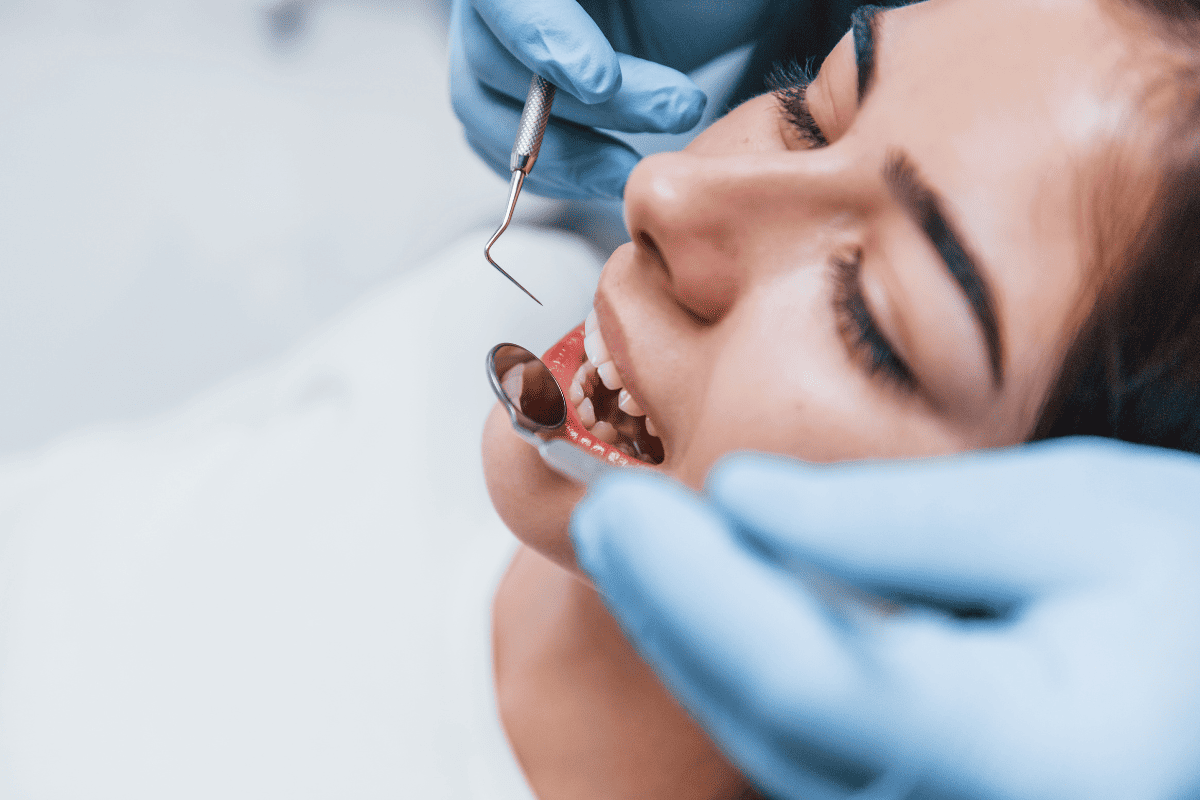
You reach for your morning coffee, take a sip, and suddenly, a sharp, shooting pain in your teeth. Or maybe it happens when you bite into something cold, sweet, or even just breathe in cool air on a chilly Virginia morning.
If this sounds familiar, you are not alone.
Sudden dental sensitivity is one of the most common dental complaints among adults in the United States. And here in Gate City and the surrounding Scott County communities, including Kingsport, Weber City, and Clinchport, many people quietly deal with this discomfort every day without knowing what is really causing it.
Tooth pain does not just happen out of nowhere. There are real, specific reasons behind it. And many of them get worse over time if left unaddressed.
This blog is here to help you understand what is going on inside your mouth and what you can do about it before the pain takes over your daily life.
What Is Tooth Sensitivity, Exactly?
Tooth sensitivity, also called dentin hypersensitivity, happens when the inner layer of your tooth, called dentin, becomes exposed. Dentin contains tiny channels that lead directly to the nerve of your tooth. When these channels are exposed to temperature, pressure, or certain foods, the nerve gets triggered, and you feel that familiar sharp sting.
Healthy teeth have a protective layer of enamel on the crown and cementum on the root. When either of these layers wears away or gets damaged, sensitivity follows.
The question is: why does this happen?
The Hidden Causes of Sudden Tooth Sensitivity in Adults
Many adults assume dental sensitivity is just a normal part of getting older. That is not true. Below are the real, often overlooked reasons your teeth may have suddenly become sensitive.
1. Enamel Erosion From Acidic Foods and Drinks
Enamel is the hardest substance in the human body, but it is not immune to acid. Every time you consume acidic food or drinks, like sodas, citrus fruits, sports drinks, and vinegar-based foods, the acid slowly dissolves your enamel.
Over time, this erosion exposes the underlying dentin, leaving your teeth vulnerable to temperature and pressure changes.
Common culprits include:
- Carbonated soft drinks (even sugar-free ones)
- Lemon water and citrus juices
- Coffee and tea (especially with added lemon)
- Energy drinks
- Vinegar-heavy salad dressings
Many people in the Tri-Cities area and Scott County who drink a lot of sweet tea or sodas throughout the day are unknowingly accelerating this process.
2. Brushing Too Hard (or Using the Wrong Toothbrush)
You might think brushing harder means cleaner teeth. It does not.
Aggressive brushing, especially with a hard-bristle toothbrush, can actually scrub away enamel and irritate the gum line. When gums recede from over-brushing, the root surface of your tooth becomes exposed. Root surfaces lack enamel protection, making them extremely sensitive.
Signs you may be brushing too hard:
- Your toothbrush bristles splay out within a month or two of use
- Your gums look like they are pulling away from your teeth
- You notice increased sensitivity after brushing
The fix is simple- switch to a soft-bristle brush and use gentle, circular motions. But if gum recession has already occurred, a visit to a dental clinic is important to assess the extent of the damage.
3. Teeth Grinding (Bruxism)
Many people grind their teeth at night and have no idea they are doing it. This condition, known as bruxism, is more common than most people realize, and it is a major hidden reason for sensitivity.
Grinding places enormous pressure on your teeth repeatedly over time. This pressure wears down enamel, cracks teeth, and even damages the jaw joint. When enamel thins due to grinding, the nerves inside your teeth become much more reactive to stimuli.
You may be grinding your teeth if you experience:
- Jaw soreness or tightness in the morning
- Headaches when you wake up
- Worn-down, flat-looking teeth
- Unexplained tooth sensitivity that seems to come and go
Bruxism often worsens during times of stress, something a lot of adults are dealing with more than ever these days. A night guard fitted by an oral care provider can protect your teeth while you sleep.
4. Gum Disease (Periodontal Disease)
Gum disease is one of the most underdiagnosed dental conditions in adults and a leading hidden cause of dental sensitivity.
In the early stages (gingivitis), gums become inflamed and may bleed when you brush. If left untreated, it progresses to periodontitis, where the gums pull away from the teeth, forming pockets where bacteria thrive. As the gums recede, the tooth roots, which have no enamel protection, are left exposed.
Warning signs of gum disease include:
- Red, swollen, or bleeding gums
- Bad breath that does not go away
- Gums that look like they are receding
- Loose teeth or teeth that feel like they have shifted
Gate City dentists are trained to detect gum disease in its early stages, which is why routine dental exams are so important, even if you are not in pain.
5. A Cracked Tooth or Dental Fracture
Teeth can crack in ways that are invisible to the naked eye. A cracked tooth does not always cause immediate sharp pain; sometimes it causes a dull, recurring sensitivity that people brush off for months.
When you bite down on something hard, the crack flexes slightly, irritating the nerve. Temperature changes can also trigger this response.
Common causes of cracked teeth in adults:
- Chewing on ice or hard candies
- Prior large fillings that weaken tooth structure
- Teeth grinding (bruxism)
- Trauma or injury to the mouth
A cracked tooth will not heal on its own. If you ignore it, it can split deeper and eventually require a root canal or extraction. An early visit to a local dental practice can save the tooth.
6. Receding Gums
Gum recession can happen for many reasons, such as aggressive brushing, gum disease, aging, or genetics. When gums recede, the root of the tooth is exposed. Unlike the crown of your tooth, the root has no enamel layer. It is covered only by cementum, which wears away much more easily.
Even a small amount of gum recession can cause significant sensitivity, especially to cold water, air, or touch.
7. A Recent Dental Procedure
Did your dental sensitivity seem to start right after a filling, crown, teeth whitening, or cleaning? This is normal, and it usually resolves within a few weeks. However, if it persists beyond four to six weeks, that is a sign that something may need to be re-evaluated.
Post-procedure sensitivity is one of the most commonly misunderstood triggers. Some patients assume the sensitivity means something went wrong, but most of the time, the tooth is simply adjusting. Still, it is worth checking in with your dentist if the discomfort does not settle down.
8. Using Whitening Products Too Frequently
Over-the-counter whitening strips, gels, and toothpastes have become very popular. But when used too often or incorrectly, they can temporarily increase tooth sensitivity by penetrating the enamel and irritating the nerve.
If you are using whitening products and experiencing sudden sensitivity, it may be time to cut back or talk to a dentist about professional, monitored, controlled whitening options.
9. Sinus Infections and Sinus Pressure
Here is one most people do not know: sinus pressure can feel exactly like tooth pain or sensitivity, especially in the upper back teeth.
Your upper molars sit very close to the sinus cavity. When your sinuses are inflamed or infected, the pressure can radiate into your teeth, making them feel sensitive or sore. This type of sensitivity typically affects multiple teeth at once, not just one isolated tooth.
If your sensitivity seems to come along with nasal congestion, facial pressure, or cold-like symptoms, sinus issues might be the real culprit.
10. Worn or Old Dental Fillings
Old amalgam or composite fillings do not last forever. Over time, they can crack, leak, or wear down around the edges. When this happens, bacteria can sneak in around the filling, causing decay beneath it, which leads to significant tooth sensitivity.
If you have older fillings, especially those more than 10 to 15 years old, having them inspected regularly is a smart move.
Why You Should Not Ignore Tooth Sensitivity
Dental sensitivity is your body’s way of signaling that something is off. It is not something to simply “live with.”
Here is what can happen if you ignore it:
- Minor enamel erosion can lead to deep decay, and what could have been a simple filling becomes a root canal or extraction.
- Gum disease progresses silently; by the time it causes noticeable pain, you may have significant bone loss.
- A cracked tooth splits completely, potentially resulting in tooth loss.
- Underlying infections can become serious health issues if left untreated.
Sensitivity is a warning sign. Acting early almost always means simpler, less invasive treatment.
How Is Tooth Sensitivity Treated?
Treatment depends entirely on the cause. That is why getting a proper diagnosis is so important. Common approaches include:
- Desensitizing toothpaste– contains compounds that block the nerve pathways in dentin
- Fluoride treatments- strengthen enamel and reduce sensitivity signals
- Bonding or sealants– applied to exposed root surfaces to cover and protect them
- Gum grafting– for significant gum recession
- Night guards- custom-fitted devices to prevent grinding damage
- Treating gum disease- deep cleaning procedures to stop the progression
- Replacing old fillings or crowns– to eliminate decay-related sensitivity
No single treatment fits every situation. A dentist will evaluate the exact cause and recommend the appropriate path forward.
Frequently Asked Questions
Q1: Why did my tooth sensitivity start suddenly, even though I brush and floss regularly?
Even with consistent brushing and flossing, factors like enamel erosion from acidic foods, teeth grinding at night, or a hairline crack in a tooth can trigger sudden sensitivity. Regular brushing is essential, but it does not always prevent every underlying cause. A dental evaluation can pinpoint the exact reason.
Q2: Can tooth sensitivity go away on its own?
Sometimes temporary sensitivity, such as after a dental procedure or after using a whitening product, resolves on its own within a few weeks. However, sensitivity caused by gum recession, decay, cracks, or gum disease will not improve without professional care. It is always safer to have it evaluated rather than wait.
Q3: Is tooth sensitivity a sign of something serious?
It can be. Sensitivity is often an early warning sign of conditions like gum disease, enamel erosion, or a cracked tooth. Caught early, most of these conditions are very manageable. Left untreated, they can lead to more significant dental problems. Early evaluation is always the right move.
Q4: How can I tell if my sensitivity is from grinding or gum disease?
Grinding typically causes sensitivity in multiple teeth, flat or worn tooth surfaces, and jaw soreness in the morning. Bleeding gums, bad breath, and visible gum recession often accompany gum disease. Both require professional evaluation to confirm, and sometimes both conditions are present simultaneously.
Q5: What should I do before my dental appointment to manage sensitivity pain?
Using a sensitivity toothpaste (one that contains potassium nitrate or stannous fluoride) can help temporarily reduce discomfort. Avoiding extreme temperatures in food and drink also helps. Do not use these as a long-term solution; they address the symptom, not the cause.
Take the First Step Toward Pain-Free Teeth
Tooth sensitivity is not just an inconvenience. It is a message from your body that something in your mouth needs attention. However, most causes of tooth sensitivity are very treatable when caught early, and the sooner you act, the simpler the solution tends to be.
Whether the cause is enamel erosion, gum recession, a cracked tooth, or something less obvious like a sinus issue or an old filling, the local dental practice at Jeff Montgomery DDS is here to help you find out and move forward with care that fits your needs.
Gate City dentists like Dr. Jeff Montgomery are right here in your community, ready to help you get back to eating, drinking, and living without that sharp, unpredictable pain.
Book an appointment today and take the first step toward healthier, pain-free teeth.
Recent Post
May 22, 2026
The Hidden Causes Behind Sudden Tooth Sensitivity in Adults
May 14, 2026
Why Minor Tooth Pain Should Never Be Overlooked? A Gate City’s Dental Guide
May 8, 2026
Can’t Get a Same-Day Dental Appointment? Try These Urgent Alternatives

April 30, 2026
Family Dentist in Gate City: Complete Guide to Choosing the Best Care

April 24, 2026
Why Choosing an Emergency Dentist in Gate City Is Critical for Immediate Pain Relief
Categories
Dental Health (13)