276-386-6162

Things To Consider Before Starting Teeth Whitening Treatment
January 16, 2024
Cosmetic Dentistry
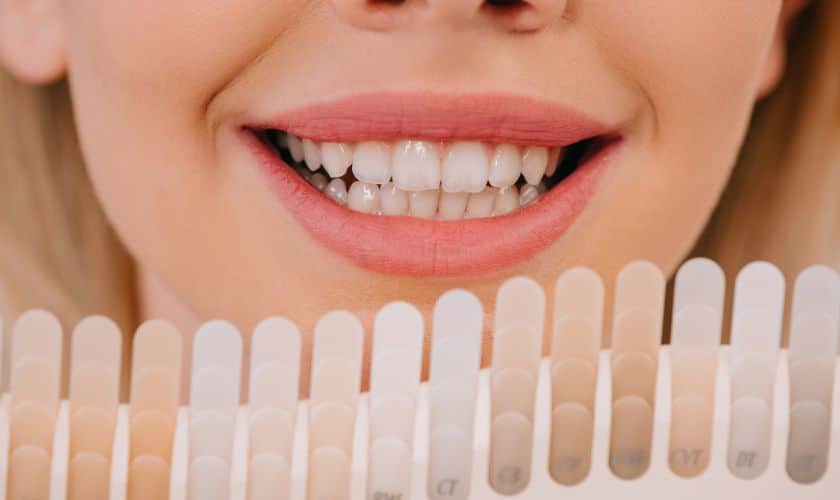
Are you tired of feeling self-conscious about the color of your teeth? Teeth whitening treatments can help give you a brighter, more confident smile. However, before jumping into any treatment, there are some important things to consider. With so many options available, it can be overwhelming to choose the best one for you. In this blog post, we will cover the different types of teeth whitening treatments available and what to expect during the procedure. We’ll also discuss how often you should whiten your teeth and provide tips for a smooth transition after treatment. Let’s dive in!
Different Types Of Teeth Whitening Treatment
Teeth whitening treatments come in many different forms, from over-the-counter products to professional procedures. Here are some of the most common types of teeth whitening treatments:-
1. Whitening toothpaste: This type of toothpaste contains mild abrasives that can help remove surface stains on your teeth. However, they may not be effective for deeper stains and discoloration.
2. Whitening strips: These thin strips contain a peroxide-based gel that you apply directly to your teeth. They’re easy to use and relatively affordable, but may not provide long-lasting results.
3. Custom trays: Your dentist can create custom-fitted trays that you fill with a whitening gel at home. This option is more expensive than over-the-counter products but provides more consistent results.
4. In-office treatment: Professional teeth whitening done by a dentist or dental hygienist typically involves applying a stronger bleaching agent directly to your teeth using heat or light technology. It’s the most effective method, but also the most expensive.
No matter which type of treatment you choose, it’s important to follow instructions carefully and avoid excessive use as it could damage your enamel or cause tooth sensitivity.
Procedure For Teeth Whitening
The procedure for teeth whitening can vary depending on the type of treatment you choose. However, the general steps involved in most procedures are similar.
Firstly, your dentist will examine your teeth and gums to ensure that they are healthy enough for the treatment. They may also take photographs or impressions of your teeth to help track progress throughout the treatment.
Next, a protective barrier is placed over your gums to prevent any sensitivity or irritation during the procedure. A whitening gel containing hydrogen peroxide or carbamide peroxide is then applied to your teeth using a custom-fit tray or by painting it directly onto each tooth.
This gel is activated with a special light that helps break down stains and discoloration on the surface of your teeth. The entire process usually takes around 30-60 minutes, depending on how stained your teeth are and which method you choose.
After this time has elapsed, the gel is removed from your mouth and you will be able to see an immediate improvement in brightness and whiteness of several shades lighter than before.
While there might be slight variations between procedures based on individual circumstances such as sensitivity levels or types of stains present; these general guidelines should give you an idea of what happens when going through with a professional teeth-whitening session!
How Often Should You Whiten Your Teeth?
Maintaining a bright and white smile is a goal for many people, but how often should you whiten your teeth? This question doesn’t have a one-size-fits-all answer because it varies from person to person.
The frequency of teeth whitening treatment depends on several factors such as lifestyle habits, diet, oral hygiene routine, and the type of whitening treatment used. If you frequently consume staining foods or drinks, like coffee or red wine, then your teeth may need more frequent touch-ups than someone who avoids these types of things.
Most dentists recommend waiting at least six months between treatments to avoid damaging tooth enamel or causing sensitivity issues. Overuse of whitening products can cause damage to your tooth enamel and increase sensitivity in some cases.
It’s best to consult with your dentist before starting any teeth whitening regimens. They can evaluate your dental health and give you advice on what kind of treatment would be right for you based on their professional expertise.
Maintaining good oral hygiene practices like regular brushing, flossing, and dental visits will ensure that your pearly whites stay healthy-looking for longer periods without needing harsh chemical treatments too frequently.
After Treatment: Tips For A Smooth Transition
After completing a teeth whitening treatment, it’s important to take proper care of your newly brightened smile. Here are some tips for a smooth transition:
1. Avoid Staining Foods and Drinks: After teeth whitening, your teeth will be more susceptible to staining. Stay away from coffee, tea, red wine, berries, and other foods that can cause discoloration.
2. Brush Twice Daily: Regular brushing is essential after teeth whitening treatment as it helps remove any surface stains that may accumulate on the enamel.
3. Use a Straw: Using a straw when drinking beverages like soda or juice can help prevent staining on your front teeth.
4. Rinse Your Mouth Often: Rinsing your mouth with water frequently throughout the day will wash away any food particles that could potentially stain your new white smile.
5. Visit Your Dentist Regularly: Scheduled dental checkups should not be skipped even if you have whiter teeth than before; they ensure good oral health and hygiene
By following these maintenance tips after undergoing a professional tooth-whitening treatment, patients can maintain their brighter smiles for longer periods while minimizing risks of re-staining caused by poor lifestyle choices or habits in between visits to their dentists!
The Bottom Line
Teeth whitening treatments are a great way to enhance your smile and boost your confidence. However, before embarking on any treatment, it is important to consider the different types of treatments available, their procedures, how often you should whiten your teeth, and the aftercare tips for a smooth transition. It is also essential to consult with a dental professional who can guide you in selecting the best treatment option based on your individual needs. By following these guidelines and maintaining proper oral hygiene practices such as brushing twice daily and flossing regularly, you can achieve that sparkling white smile you’ve always wanted. Remember that teeth whitening is not a one-time fix but rather an ongoing process that requires consistent effort and maintenance. So choose wisely, follow through with routine care, and enjoy the benefits of having brighter pearly whites!
Recent Post

May 27, 2026
What to Expect From a Family Dentist in Gate City: Kids, Adults, and Seniors’ Care
May 27, 2026
Can Cosmetic Dentistry Fix Crooked or Worn Teeth in Gate City?

May 26, 2026
How Emergency Dentists in Gate City Treat Broken or Cracked Teeth
May 22, 2026
The Hidden Causes Behind Sudden Tooth Sensitivity in Adults
May 14, 2026
Why Minor Tooth Pain Should Never Be Overlooked? A Gate City’s Dental Guide
Categories
Cosmetic Dentistry (44)