276-386-6162

Tooth Erosion: Understanding the Causes, Prevention, and Treatment Options
August 21, 2024
Dental Care
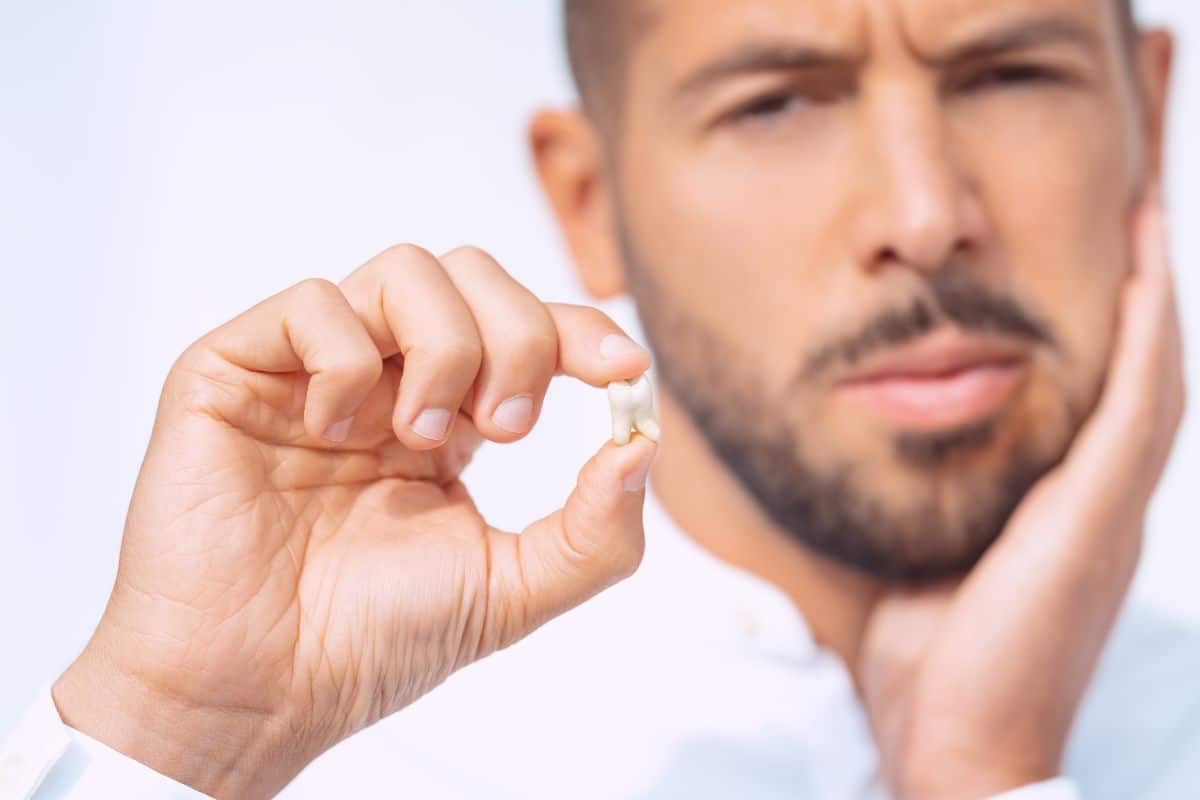
Tooth erosion is a growing concern for many Americans, affecting people of all ages. Despite its prevalence, many individuals are unaware of the causes and consequences of this dental issue. Tooth erosion occurs when the enamel, the protective outer layer of your teeth, wears away, leading to sensitivity, discoloration, and increased risk of cavities. In this blog, we’ll explore the causes, prevention strategies, and treatment options for tooth erosion to help you maintain a healthy, vibrant smile.
What is Tooth Erosion?
Tooth erosion, also known as dental erosion, is the gradual loss of tooth enamel due to acid attack. Unlike cavities caused by bacteria, erosion is a direct result of exposure to acidic substances. Enamel is the hardest substance in the human body, but it’s not invincible. Once it’s worn away, it doesn’t regenerate, making it essential to take preventive measures.
Causes of Tooth Erosion
Tooth erosion can result from a variety of factors, many of which are linked to dietary habits and lifestyle choices. Understanding these causes can help you take steps to protect your enamel.
- Dietary Acids: Foods and beverages high in acid content are the leading cause of tooth erosion. Citrus fruits, sodas, sports drinks, and wine are common culprits. These acids weaken and wear away the enamel over time, especially with frequent consumption.
- Acid Reflux Disease: Gastroesophageal reflux disease (GERD) or frequent heartburn can lead to tooth erosion. Stomach acid, when regurgitated into the mouth, can be powerful enough to erode enamel.
- Dry Mouth (Xerostomia): Saliva plays a crucial role in neutralizing acids and washing away food particles. A dry mouth, whether due to medication, dehydration, or certain medical conditions, reduces saliva flow, increasing the risk of tooth erosion.
- Bruxism (Teeth Grinding): Chronic grinding or clenching of teeth, especially at night, can wear down the enamel, making your teeth more susceptible to erosion from acidic foods and drinks.
- Frequent Snacking: Constant snacking, especially on sugary or acidic foods, can keep acid levels high in the mouth, leading to continuous enamel erosion.
Signs and Symptoms of Tooth Erosion
Tooth erosion can manifest in various ways, depending on its severity. Early detection is key to preventing further damage.
- Sensitivity: Increased sensitivity to hot, cold, or sweet foods and drinks is often one of the first signs of tooth erosion. As the enamel thins, the underlying dentin, which is more sensitive, becomes exposed.
- Discoloration: As enamel wears away, your teeth may start to appear yellow due to the exposure of the dentin layer underneath.
- Rounded Teeth: Eroded enamel can give teeth a rounded or smooth appearance, particularly on chewing surfaces.
- Cracks and Chips: Weakened enamel is more prone to cracks, chips, and other forms of physical damage.
- Cupping: Small dents or cupped areas on the chewing surfaces of the teeth are a sign of advanced tooth erosion.
Prevention of Tooth Erosion
Preventing tooth erosion is all about protecting your enamel and minimizing exposure to harmful acids. Here are some strategies to help keep your teeth strong and healthy:
- Modify Your Diet: Limit the intake of acidic foods and beverages like citrus fruits, sodas, and sports drinks. If you do consume these, try to have them with meals rather than on their own, as this reduces acid exposure. Drinking through a straw can also minimize contact with your teeth.
- Practice Good Oral Hygiene: Brushing your teeth twice a day with fluoride toothpaste can help strengthen enamel and protect against erosion. However, avoid brushing immediately after consuming acidic foods or drinks, as the enamel is temporarily softened and more prone to damage.
- Stay Hydrated: Drinking plenty of water, especially after meals, helps wash away acids and food particles. Chewing sugar-free gum can also stimulate saliva production, aiding in acid neutralization.
- Use a Fluoride Mouthwash: Fluoride helps to remineralize and strengthen enamel. Using a fluoride mouthwash daily can provide an extra layer of protection against erosion.
- Wear a Mouthguard: If you grind your teeth at night, wearing a custom-fitted mouthguard can protect your teeth from wear and tear, reducing the risk of erosion.
Treatment Options for Tooth Erosion
If you’re already experiencing tooth erosion, don’t worry—there are effective treatment options available to restore your smile and protect your teeth from further damage.
- Dental Bonding: In cases of minor erosion, dental bonding can be used to cover the exposed dentin and improve the appearance of your teeth. This involves applying a tooth-colored resin to the affected areas, which is then shaped and polished to blend with your natural teeth.
- Veneers: For more extensive erosion, veneers may be recommended. Veneers are thin shells of porcelain or composite material that are custom-made to fit over the front surface of your teeth, providing a strong, protective layer and enhancing your smile’s appearance.
- Crowns: In severe cases of tooth erosion where a significant portion of the tooth structure has been lost, a dental crown may be necessary. Crowns cover the entire tooth, restoring its function and appearance while protecting it from further damage.
- Fluoride Treatments: Professional fluoride treatments provided by your dentist can help strengthen the remaining enamel and prevent further erosion. These treatments are more concentrated than over-the-counter fluoride products and are applied directly to the teeth.
When to See a Dentist
It’s important to see a dentist regularly for checkups and cleanings, even if you’re not experiencing symptoms of tooth erosion. Early detection allows for more effective treatment and prevention of further damage. If you notice any signs of erosion, such as sensitivity, discoloration, or changes in the shape of your teeth, schedule an appointment with your dentist as soon as possible.
Conclusion
Tooth erosion is a common but preventable dental issue. By understanding the causes and taking proactive steps to protect your enamel, you can maintain a healthy, beautiful smile for years to come. If you’re concerned about tooth erosion or have noticed signs of enamel wear, don’t hesitate to reach out to your dentist for advice and treatment options.
Recent Post
May 14, 2026
Why Minor Tooth Pain Should Never Be Overlooked? A Gate City’s Dental Guide
May 8, 2026
Can’t Get a Same-Day Dental Appointment? Try These Urgent Alternatives

April 30, 2026
Family Dentist in Gate City: Complete Guide to Choosing the Best Care

April 24, 2026
Why Choosing an Emergency Dentist in Gate City Is Critical for Immediate Pain Relief

April 17, 2026
How a Trusted Dentist in Gate City Supports Long-Term Oral Health
Categories
Dental Care (48)