276-386-6162

The Role of Dental Crowns After a Root Canal Treatment
August 7, 2025
Cosmetic Dentistry
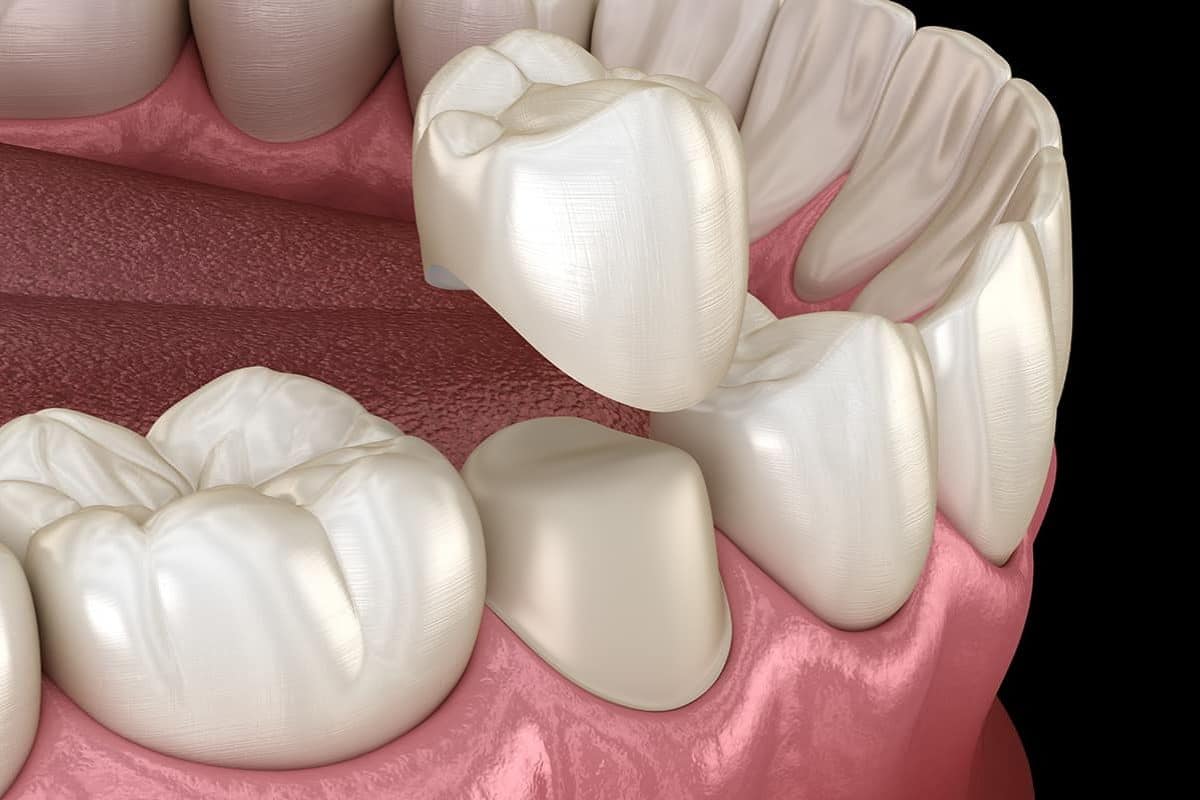
When a tooth becomes severely decayed or infected, a root canal is often the most effective way to save it. While the procedure itself removes the damaged tissue and stops the pain, the journey to full tooth restoration doesn’t end there. For long-term protection and function, most teeth that undergo root canal treatment will need a dental crown.
If you’re considering or recovering from a root canal, understanding the role of a dental crown in that process is key to preserving your smile for years to come. At Jeffrey Montgomery DDS in Gate City, VA, patients often ask why a crown is necessary—and the answer lies in structure, strength, and long-term success.
What Happens to a Tooth After a Root Canal?
A root canal involves removing the infected pulp from the center of the tooth, cleaning the inside, and sealing it to prevent future infection. While this eliminates the pain and stops the spread of bacteria, it also leaves the tooth hollowed out and more brittle than before.
Without reinforcement, the tooth is at higher risk of:
- Cracking or breaking under pressure
- Wearing down more quickly
- Re-infection if the seal weakens
This is where a dental crown becomes essential.
Why a Dental Crown Is Often Needed After a Root Canal
1. Restores Tooth Strength
After a root canal, the tooth structure is weakened. A dental crown acts as a protective cap, covering the tooth and restoring its ability to handle normal chewing and biting forces. This added strength prevents fractures and ensures you can use the tooth just like any other.
2. Protects Against Future Damage
The sealant used in a root canal can degrade over time. A crown provides an additional layer of defense against bacteria, moisture, and decay. It essentially “locks in” the treatment, minimizing the risk of needing further work in the future.
3. Improves Appearance
Especially for front teeth, a crown can be designed to match the color, shape, and size of your natural teeth. For patients seeking a cosmetic dentist to restore not just function but beauty, crowns are an integral part of achieving a confident smile. Modern materials make crowns indistinguishable from natural teeth.
4. Ensures Long-Term Success of the Root Canal
Root canal treatment boasts a high success rate, but without a crown, the longevity of that success decreases. The structural support and full coverage a crown provides can extend the lifespan of the treated tooth for decades.
Are There Any Exceptions?
Not every root canal-treated tooth will require a crown. In some cases—such as with front teeth or teeth with minimal damage—a filling may suffice. However, most molars and premolars (which endure heavy chewing forces) do benefit from the added protection of a crown.
A trusted cosmetic dentist will assess the location of the tooth, the amount of remaining tooth structure, and your individual oral health to recommend the best option.
Types of Dental Crowns Available
Dental crowns can be made from several materials, each with its benefits:
- Porcelain or Ceramic Crowns: Best for front teeth due to their natural look.
- Porcelain-Fused-to-Metal Crowns: Stronger, suitable for back teeth but still maintain a tooth-colored appearance.
- Gold or Metal Crowns: Extremely durable, typically used for molars where aesthetics are less of a concern.
- Zirconia Crowns: A newer option that offers both strength and aesthetics.
At Jeffrey Montgomery DDS, patients have access to a range of options, depending on their needs and preferences.
What to Expect During the Crown Procedure
Getting a dental crown usually takes two appointments:
- First Visit: The tooth is reshaped, an impression is taken, and a temporary crown is placed.
- Second Visit: The permanent crown is fitted, adjusted, and cemented.
The process is simple, relatively quick, and comfortable. Your dentist will ensure the crown fits seamlessly with your bite and natural teeth.
How Long Do Dental Crowns Last?
With proper care, dental crowns can last anywhere from 10 to 15 years, and sometimes longer. Key tips for longevity include:
- Brushing and flossing regularly
- Avoiding hard or sticky foods
- Wearing a nightguard if you grind your teeth
- Attending routine dental checkups
Routine visits to a cosmetic dentist help ensure your crown remains in good condition and your overall oral health stays on track.
Final Thoughts: Don’t Skip the Crown After a Root Canal
It’s easy to assume that once a root canal is done, your dental worries are over—but without a crown, the treated tooth remains vulnerable. Dental crowns offer strength, protection, and cosmetic appeal, playing a crucial role in the long-term success of your root canal treatment.
If you’re looking for comprehensive care in Gate City, VA, understanding the connection between root canals and crowns will help you make informed decisions about your dental health.
Ready to Restore Your Smile Safely?
Whether you’ve just had a root canal or are planning for one, consult with an experienced cosmetic dentist like Dr. Jeffrey Montgomery. Protect your investment and enjoy a healthier, more beautiful smile for years to come.
Learn more about cosmetic dentistry in Gate City and how a customized dental crown can make all the difference in your treatment outcome.
Recent Post

April 30, 2026
Family Dentist in Gate City: Complete Guide to Choosing the Best Care

April 24, 2026
Why Choosing an Emergency Dentist in Gate City Is Critical for Immediate Pain Relief

April 17, 2026
How a Trusted Dentist in Gate City Supports Long-Term Oral Health

April 10, 2026
Comprehensive Dental Care in Gate City for Every Stage of Life

March 24, 2026
Fast Relief for Dental Emergencies with an Emergency Dentist in Gate City
Categories
Cosmetic Dentistry (44)