276-386-6162

The Pros and Cons of Dental Veneers
June 4, 2024
Dental Veneers
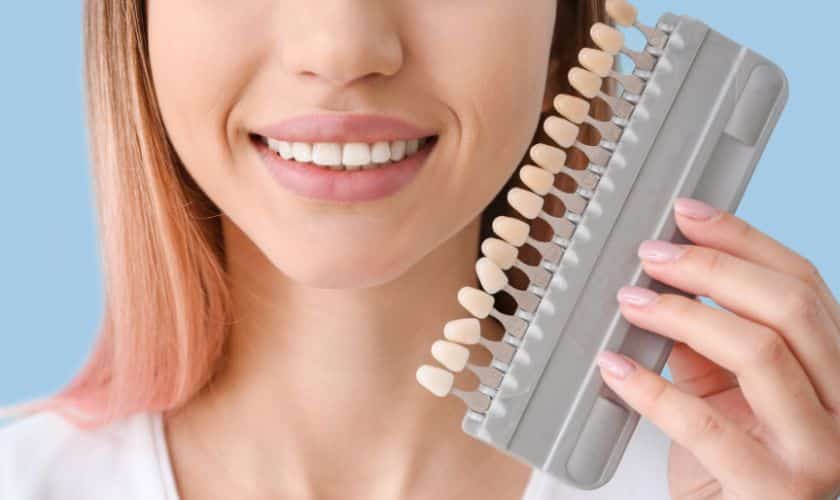
Dental veneers are a popular cosmetic dental procedure that can dramatically improve the appearance of your smile. These thin shells, typically made of porcelain or composite resin, are bonded to the front of your teeth to correct various aesthetic issues such as discoloration, chips, gaps, and misshapen teeth. While veneers can offer significant benefits, they also come with some drawbacks. In this blog post, we’ll explore the pros and cons of dental veneers to help you make an informed decision.
What Are Dental Veneers?
Dental veneers are custom-made shells designed to cover the front surface of teeth. They are usually made from porcelain or composite resin materials. Porcelain veneers are more stain-resistant and mimic the light-reflecting properties of natural teeth, while composite veneers are less expensive and can be applied in a single dental visit.
Pros of Dental Veneers
1. Improved Appearance
One of the most significant advantages of dental veneers is their ability to transform your smile. Veneers can address a wide range of cosmetic issues:
- Discoloration: Veneers can cover stains that don’t respond to whitening treatments.
- Chips and Cracks: They can conceal minor chips and cracks, making your teeth look whole and healthy.
- Gaps: Veneers can close small gaps between teeth, giving you a more uniform smile.
- Misalignment: While not a substitute for orthodontic treatment, veneers can sometimes correct the appearance of minor misalignment.
2. Durability
Porcelain veneers are known for their durability. With proper care, they can last 10 to 15 years or even longer. Composite veneers, while less durable than porcelain, can still last up to 7 years with proper maintenance.
3. Stain Resistance
Porcelain veneers are highly resistant to staining. This makes them an excellent choice for people who enjoy foods and beverages that can stain teeth, such as coffee, tea, and red wine.
4. Natural Appearance
Porcelain veneers closely mimic the look and feel of natural teeth. They are custom-made to match the color, shape, and size of your existing teeth, resulting in a very natural appearance.
5. Minimal Tooth Alteration
Compared to crowns, veneers require less removal of the natural tooth structure. Typically, only a thin layer of enamel needs to be removed to accommodate the veneer.
Cons of Dental Veneers
1. Cost
One of the primary disadvantages of dental veneers is their cost. According to the American Dental Association, the average cost of a single porcelain veneer can range from $925 to $2,500, while composite veneers can cost between $250 and $1,500 per tooth. This makes veneers a significant financial investment, especially if you need multiple teeth treated.
2. Irreversibility
The process of applying veneers is irreversible. Once the enamel is removed, it cannot be replaced. This means that if a veneer becomes damaged or needs to be removed, it will need to be replaced with another veneer or an alternative restoration.
3. Sensitivity
Some people experience increased tooth sensitivity after getting veneers. This is typically due to the removal of enamel during the preparation process. Sensitivity usually decreases over time, but it can be uncomfortable initially.
4. Potential for Damage
While veneers are durable, they are not indestructible. They can chip, crack, or come off if subjected to excessive force. Habits like biting nails, chewing on hard objects, or grinding your teeth can damage veneers.
5. Color Mismatch
Veneers are matched to the color of your natural teeth at the time of application. If your natural teeth become discolored or if you undergo teeth whitening after getting veneers, there may be a noticeable color difference.
Who Should Consider Dental Veneers?
Dental veneers are an excellent option for individuals looking to improve the appearance of their teeth and achieve a more aesthetically pleasing smile. They are particularly beneficial for:
- People with Stubborn Stains: If your teeth are resistant to whitening treatments, veneers can provide a long-lasting solution.
- Those with Minor Cosmetic Issues: Veneers can effectively address minor chips, cracks, gaps, and misalignment.
- Individuals Seeking a Long-Term Solution: Veneers offer a durable and long-lasting cosmetic improvement.
Maintenance and Care
To ensure the longevity of your veneers, it’s essential to practice good oral hygiene and take certain precautions:
- Brush and Floss Regularly: Maintain a consistent oral hygiene routine to keep your teeth and gums healthy.
- Avoid Hard Foods: Be cautious with hard foods that can chip or damage your veneers.
- Wear a Mouthguard: If you grind your teeth at night, consider wearing a mouthguard to protect your veneers.
- Regular Dental Check-ups: Visit your dentist regularly for check-ups and cleanings to ensure your veneers remain in good condition.
Conclusion
Dental veneers can offer a transformative solution for those looking to enhance their smile. With benefits such as improved appearance, durability, and stain resistance, veneers are a popular choice in cosmetic dentistry. However, they also come with considerations such as cost, irreversibility, and potential for damage. By weighing the pros and cons, you can make an informed decision about whether dental veneers are the right choice for you.
If you’re considering dental veneers, consult with a qualified cosmetic dentist to discuss your options and develop a personalized treatment plan. A beautiful, confident smile may be just a few appointments away!
Recent Post
May 14, 2026
Why Minor Tooth Pain Should Never Be Overlooked? A Gate City’s Dental Guide
May 8, 2026
Can’t Get a Same-Day Dental Appointment? Try These Urgent Alternatives

April 30, 2026
Family Dentist in Gate City: Complete Guide to Choosing the Best Care

April 24, 2026
Why Choosing an Emergency Dentist in Gate City Is Critical for Immediate Pain Relief

April 17, 2026
How a Trusted Dentist in Gate City Supports Long-Term Oral Health
Categories
Dental Veneers (2)