276-386-6162

The Link Between Sleep Apnea and TMJ
July 17, 2024
Dental Care
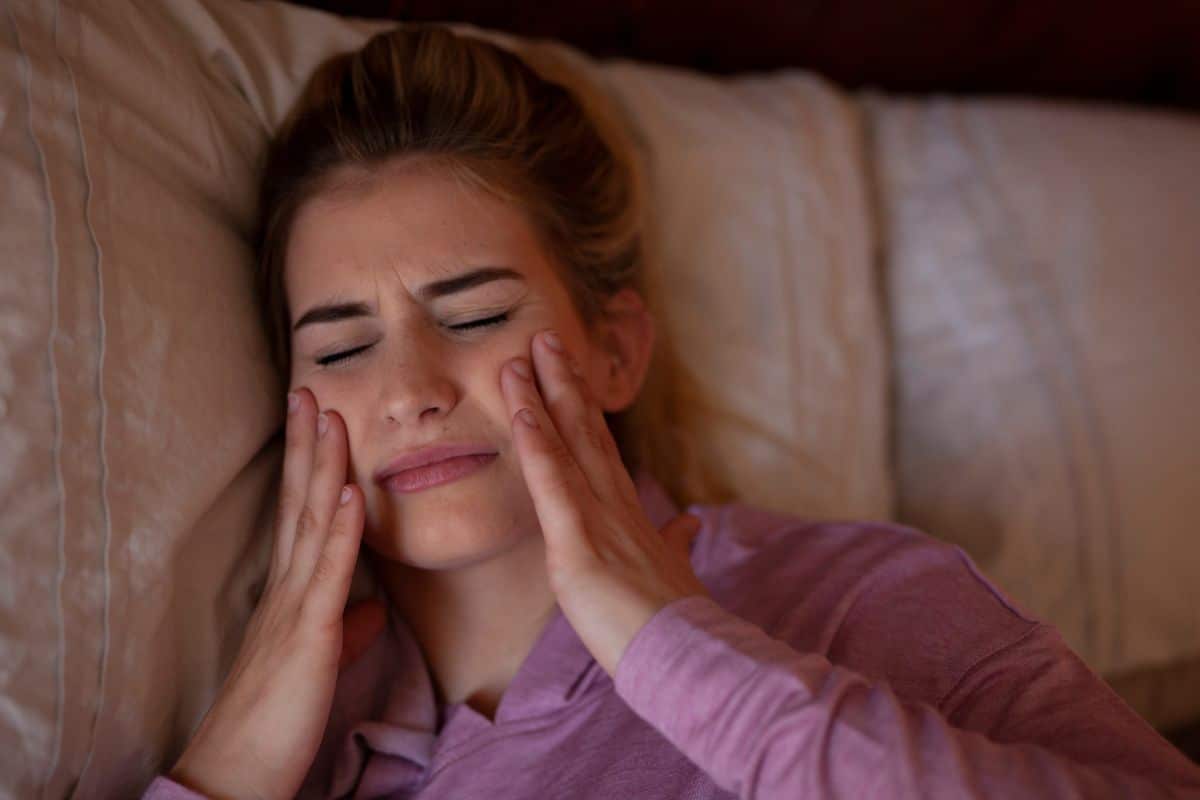
Sleep apnea and temporomandibular joint (TMJ) disorders are two conditions that can significantly impact your quality of life. While they may seem unrelated at first glance, there is a notable connection between the two. Understanding this link can help in the diagnosis and treatment of both conditions, leading to better overall health and improved sleep quality.
Understanding Sleep Apnea
What is Sleep Apnea?
Sleep apnea is a sleep disorder characterized by repeated interruptions in breathing during sleep. These interruptions, known as apneas, can last from a few seconds to a minute and can occur multiple times per hour. There are three main types of sleep apnea:
- Obstructive Sleep Apnea (OSA): The most common type, caused by the relaxation of throat muscles that block the airway.
- Central Sleep Apnea (CSA): Caused by the brain failing to send proper signals to the muscles that control breathing.
- Complex Sleep Apnea Syndrome: A combination of OSA and CSA.
Symptoms of Sleep Apnea
Common symptoms of sleep apnea include:
- Loud snoring
- Episodes of breathing cessation during sleep
- Gasping or choking sounds
- Excessive daytime sleepiness
- Morning headaches
- Difficulty concentrating
Statistics on Sleep Apnea
Sleep apnea is a prevalent condition affecting millions worldwide:
- Approximately 22 million Americans suffer from sleep apnea.
- 80% of moderate and severe obstructive sleep apnea cases are undiagnosed.
Understanding TMJ Disorders
What is TMJ?
The temporomandibular joint (TMJ) connects your jawbone to your skull and acts like a sliding hinge. TMJ disorders (TMD) refer to a group of conditions that cause pain and dysfunction in the jaw joint and the muscles controlling jaw movement.
Symptoms of TMJ Disorders
Symptoms of TMJ disorders include:
- Jaw pain or tenderness
- Aching pain around the ear
- Difficulty chewing or discomfort while chewing
- Locking of the jaw joint
- Clicking or popping sounds when opening or closing the mouth
Statistics on TMJ Disorders
TMJ disorders are also common, particularly among certain demographics:
- It is estimated that over 10 million Americans suffer from TMJ disorders.
- Women are more likely than men to experience TMJ disorders.
The Connection Between Sleep Apnea and TMJ
How Sleep Apnea Affects the Jaw
Sleep apnea can contribute to TMJ disorders in several ways:
- Bruxism (Teeth Grinding): Sleep apnea often leads to bruxism, where individuals grind their teeth during sleep. This can cause significant stress on the TMJ.
- Jaw Positioning: The body may attempt to reposition the jaw to open the airway during apneas, leading to strain on the TMJ.
- Muscle Tension: Chronic muscle tension from sleep disturbances can exacerbate TMJ pain and dysfunction.
Studies and Findings
Research supports the link between sleep apnea and TMJ disorders:
- A study published in the Journal of Dental Research found that patients with obstructive sleep apnea are more likely to suffer from TMJ disorders.
- Another study in the Journal of Oral & Facial Pain and Headache found a significant association between sleep bruxism and obstructive sleep apnea.
Diagnosing Sleep Apnea and TMJ Disorders
Diagnosing Sleep Apnea
Diagnosis of sleep apnea typically involves:
- Sleep Study (Polysomnography): Conducted in a sleep lab to monitor breathing patterns, oxygen levels, and other vital signs during sleep.
- Home Sleep Apnea Test (HSAT): A simplified version of a sleep study that can be conducted at home.
Diagnosing TMJ Disorders
Diagnosis of TMJ disorders involves:
- Clinical Examination: Assessment of jaw movement, pain, and joint sounds.
- Imaging Tests: X-rays, MRI, or CT scans to examine the jaw joint and surrounding tissues.
Treatment Options for Sleep Apnea and TMJ Disorders
Treating Sleep Apnea
Common treatments for sleep apnea include:
- Continuous Positive Airway Pressure (CPAP): A machine that delivers a constant stream of air to keep the airway open during sleep.
- Oral Appliances: Custom-fitted devices worn during sleep to keep the airway open by repositioning the jaw.
- Lifestyle Changes: Weight loss, avoiding alcohol and sedatives, and sleeping on your side can help reduce sleep apnea symptoms.
- Surgery: In severe cases, surgical options such as uvulopalatopharyngoplasty (UPPP) or maxillomandibular advancement (MMA) may be recommended.
Treating TMJ Disorders
TMJ disorders can be treated through:
- Medication: Pain relievers, anti-inflammatories, and muscle relaxants.
- Therapies: Physical therapy, oral splints or mouth guards, and counseling.
- Surgical Procedures: Arthrocentesis, arthroscopy, or open-joint surgery in severe cases.
- Lifestyle Changes: Stress management, avoiding hard or chewy foods, and practicing good posture.
Managing Both Conditions
Integrated Treatment Approach
Given the connection between sleep apnea and TMJ disorders, an integrated treatment approach can be beneficial:
- Collaborative Care: Working with a team of specialists, including dentists, orthodontists, sleep specialists, and ENT doctors, can ensure comprehensive treatment.
- Customized Oral Appliances: Some oral appliances can address both sleep apnea and TMJ disorders by repositioning the jaw to keep the airway open and reducing stress on the TMJ.
Lifestyle Adjustments
Making lifestyle adjustments can also help manage both conditions:
- Maintain a Healthy Weight: Reducing weight can alleviate sleep apnea symptoms and decrease stress on the TMJ.
- Practice Good Sleep Hygiene: Establish a regular sleep routine and create a conducive sleep environment.
- Stress Management: Techniques like yoga, meditation, and deep breathing can reduce muscle tension and bruxism.
Conclusion
Understanding the link between sleep apnea and TMJ disorders is crucial for effective diagnosis and treatment. By addressing both conditions simultaneously, patients can achieve better overall health and improved quality of life. If you suspect you have sleep apnea or TMJ disorder, consult with a healthcare professional to explore the best treatment options for your needs.
Recent Post
May 14, 2026
Why Minor Tooth Pain Should Never Be Overlooked? A Gate City’s Dental Guide
May 8, 2026
Can’t Get a Same-Day Dental Appointment? Try These Urgent Alternatives
April 30, 2026
Family Dentist in Gate City: Complete Guide to Choosing the Best Care
April 24, 2026
Why Choosing an Emergency Dentist in Gate City Is Critical for Immediate Pain Relief
April 17, 2026
How a Trusted Dentist in Gate City Supports Long-Term Oral Health
Categories
Dental Care (48)