276-386-6162

Invisalign vs. Traditional Braces: Which is Right for You?
July 24, 2024
Dental Care
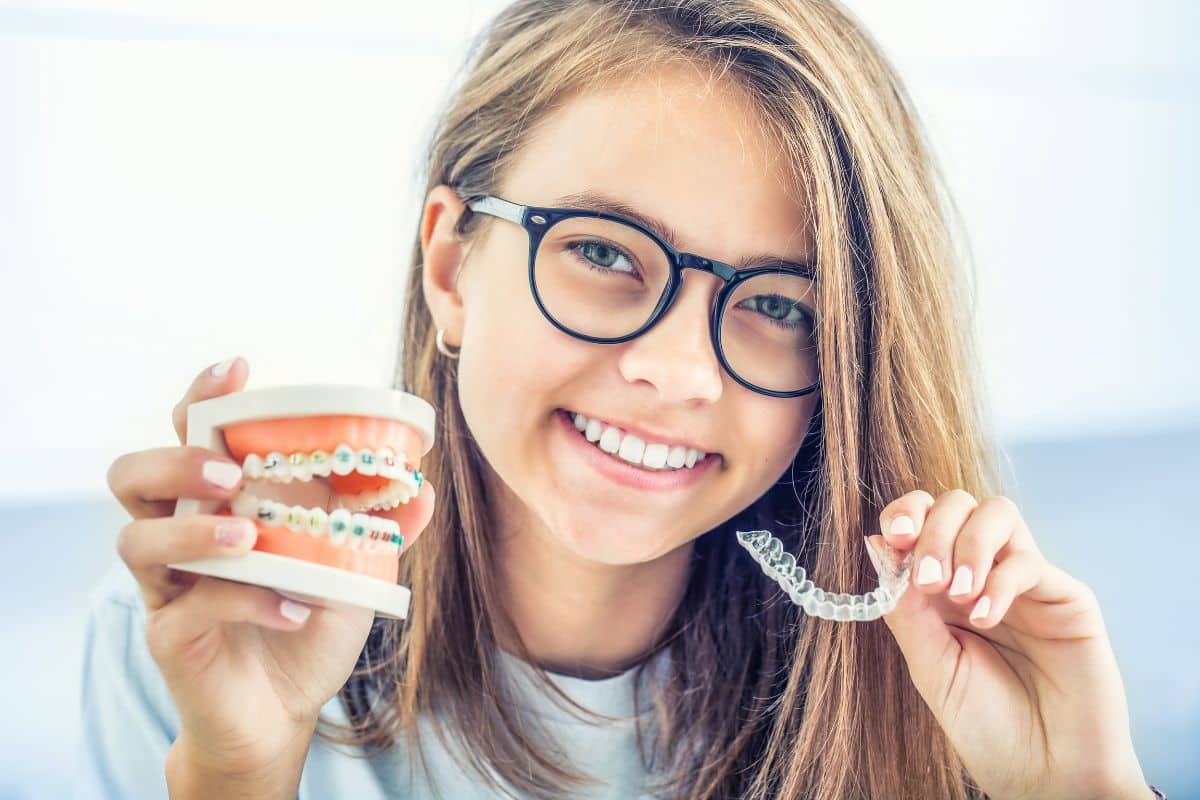
Choosing to straighten your teeth is a significant decision that can impact your oral health and confidence. With advancements in orthodontic treatment, patients now have more options than ever before. Invisalign and traditional braces are two leading methods, each with unique advantages. This article explores both options in detail to help you determine which one suits your needs best.
Overview of Invisalign and Traditional Braces
Invisalign uses clear, removable aligners to gradually move teeth into their desired position. Traditional braces involve metal brackets and wires attached to the teeth, which an orthodontist adjusts over time.
Appearance
Invisalign: Invisalign aligners are nearly invisible, making them an excellent choice for those concerned about aesthetics. The clear plastic trays are custom-made to fit your teeth, providing a discreet way to achieve a beautiful smile.
Traditional Braces: Traditional braces are more noticeable since they use metal brackets and wires. While options like ceramic braces or colored bands can make them less conspicuous, they are still more visible than Invisalign.
Comfort
Invisalign: Made of smooth plastic, Invisalign aligners are generally more comfortable than braces. There are no metal components to cause irritation or cuts inside the mouth.
Traditional Braces: Braces can cause discomfort, especially after adjustments. The metal brackets and wires can irritate the inside of the cheeks and lips, leading to sores or discomfort.
Effectiveness
Invisalign: Invisalign is highly effective for treating mild to moderate dental issues, such as overcrowding, gaps, and some bite problems. However, it may not be suitable for more complex cases.
Traditional Braces: Traditional braces are versatile and can correct a wide range of dental issues, including severe misalignment and bite problems. They offer more precise control over tooth movement.
Treatment Time
Invisalign: The average treatment time for Invisalign ranges from 12 to 18 months, but this can vary depending on the severity of the case and patient compliance with wearing the aligners for 20-22 hours per day.
Traditional Braces: Treatment with traditional braces typically takes between 18 and 24 months. In some cases, more complex issues may require longer treatment times.
Convenience
Invisalign: One of Invisalign’s biggest advantages is that the aligners are removable. This allows for easier brushing and flossing, and there are no dietary restrictions. However, aligners must be worn consistently to be effective.
Traditional Braces: Braces are fixed and cannot be removed until treatment is complete. This means there are certain foods to avoid, such as sticky or hard items that can damage the braces. Maintaining oral hygiene can also be more challenging.
Cost
Invisalign: The cost of Invisalign can range from $3,000 to $8,000, depending on the complexity of the case and the length of treatment.
Traditional Braces: Traditional braces generally cost between $2,000 and $7,000. Ceramic or lingual braces may be more expensive due to their materials and complexity.
Maintenance and Follow-Up
Invisalign: Regular follow-up visits are required, but less frequently than with braces. Typically, you’ll need to see your orthodontist every 6-8 weeks. It’s crucial to clean the aligners regularly to avoid staining and bacteria buildup.
Traditional Braces: Braces require frequent adjustments, usually every 4-6 weeks. Maintaining good oral hygiene is essential to prevent plaque buildup around the brackets and wires.
Patient Compliance
Invisalign: Success with Invisalign heavily relies on patient compliance. Aligners must be worn for the recommended 20-22 hours a day. Failure to do so can prolong treatment and affect results.
Traditional Braces: Since braces are fixed, patient compliance is not as much of an issue. However, patients must follow dietary restrictions and maintain excellent oral hygiene.
Comparative Statistics
- Success Rate: Both Invisalign and traditional braces have high success rates when used appropriately. Studies show Invisalign has a success rate of approximately 96%, while traditional braces are slightly higher at around 98%.
- Popularity: According to the American Association of Orthodontists, about 4 million Americans wear braces, while Invisalign has treated over 10 million patients worldwide since its introduction.
- Patient Satisfaction: Surveys indicate a high satisfaction rate for both treatments, with many patients appreciating the aesthetic and comfort advantages of Invisalign.
Which is Right for You?
Deciding between Invisalign and traditional braces depends on various factors, including your dental issues, lifestyle, budget, and personal preferences. Here are a few scenarios to consider:
- Aesthetic Concerns: If you are worried about the appearance of braces, Invisalign’s clear aligners are a discreet alternative.
- Complex Dental Issues: For severe misalignment or bite problems, traditional braces may be more effective.
- Convenience and Comfort: If you prefer the flexibility of removing your orthodontic device for eating and cleaning, Invisalign is a better choice.
- Budget: Traditional braces are generally more affordable than Invisalign, which may influence your decision.
Conclusion
Both Invisalign and traditional braces offer effective solutions for straightening teeth and improving oral health. Consulting with a Dentist can provide personalized advice based on your specific dental needs. Whether you choose Invisalign or traditional braces, committing to your orthodontic treatment will result in a healthier, more confident smile.
Choosing the right treatment is a significant step towards achieving the smile you’ve always wanted. By weighing the pros and cons and considering your unique needs, you can make an informed decision that aligns with your lifestyle and goals.
Recent Post
May 14, 2026
Why Minor Tooth Pain Should Never Be Overlooked? A Gate City’s Dental Guide
May 8, 2026
Can’t Get a Same-Day Dental Appointment? Try These Urgent Alternatives

April 30, 2026
Family Dentist in Gate City: Complete Guide to Choosing the Best Care

April 24, 2026
Why Choosing an Emergency Dentist in Gate City Is Critical for Immediate Pain Relief

April 17, 2026
How a Trusted Dentist in Gate City Supports Long-Term Oral Health
Categories
Dental Care (48)