276-386-6162

Signs You Need to See a Dentist Immediately
May 21, 2024
Dental Care
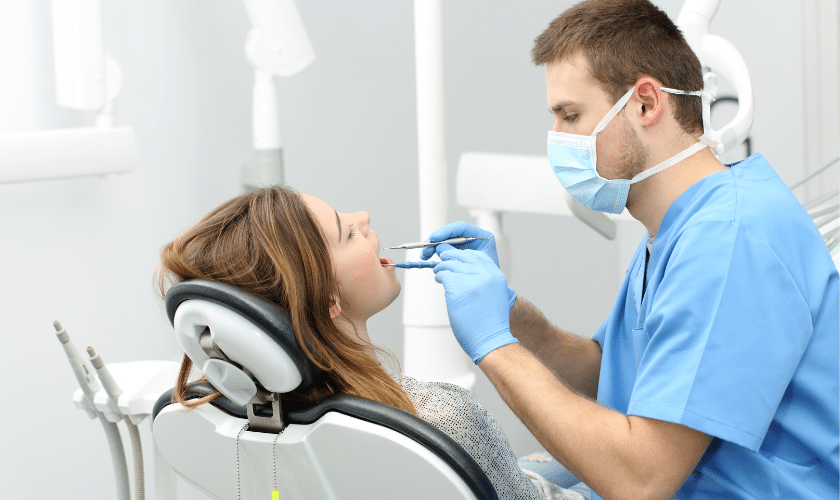
Regular dental check-ups are crucial for maintaining optimal oral health. However, certain signs and symptoms may indicate a need for immediate dental attention. Recognizing these signs can help you address potential dental issues promptly and prevent more significant problems. Here are the signs you need to see a dentist immediately:
1. Severe Tooth Pain
Persistent and severe tooth pain, especially when accompanied by swelling or a foul taste in your mouth, could indicate an infection or abscess. These conditions require immediate dental evaluation and treatment to prevent further complications.
2. Sudden Tooth Sensitivity
If you experience sudden and intense sensitivity to hot, cold, or sweet foods and beverages, it could be a sign of tooth decay, a cracked tooth, or exposed dental nerves. Prompt dental care can address the underlying cause and alleviate discomfort.
3. Swollen Gums
Swollen, tender, or bleeding gums are often early signs of gum disease (gingivitis or periodontitis). If left untreated, gum disease can lead to tooth loss and other health issues. Seeing a dentist promptly can help prevent the progression of gum disease.
4. Persistent Bad Breath
Persistent bad breath (halitosis) that does not improve with regular oral hygiene practices could indicate an underlying dental problem, such as gum disease, cavities, or oral infections. A dentist can identify the cause and recommend appropriate treatment.
5. Loose or Knocked-Out Tooth
If you have a loose tooth or experience a tooth being knocked out due to trauma or injury, immediate dental attention is necessary. Quick intervention can sometimes save a knocked-out tooth and prevent further damage.
6. Pain or Clicking in the Jaw
Pain, clicking, or difficulty opening and closing your jaw could be symptoms of temporomandibular joint (TMJ) disorder. A dentist can assess your jaw joint health and recommend treatments to alleviate discomfort and improve jaw function.
7. Persistent Mouth Sores
Mouth sores that do not heal within a week or two may require dental evaluation. They could be indicative of oral infections, oral cancer, or other serious conditions that need timely diagnosis and treatment.
8. Chronic Dry Mouth
Chronic dry mouth can increase the risk of cavities, gum disease, and oral infections. It may result from medications, systemic conditions, or inadequate saliva production. A dentist can identify the cause and recommend solutions to improve saliva flow and oral health.
9. Visible Changes in Teeth or Gums
Any visible changes in your teeth or gums, such as discoloration, swelling, or unusual growths, should be evaluated by a dentist. These changes could indicate various dental issues that require professional attention.
10. Previous Dental Work Issues
If you experience problems with previous dental work, such as loose fillings, broken crowns, or ill-fitting dentures, schedule an appointment with your dentist promptly. Ignoring these issues can lead to further complications and discomfort.
Conclusion
Being aware of these signs and symptoms can help you recognize when it’s time to see a dentist immediately. Early intervention and professional dental care can prevent minor issues from turning into major dental problems. Don’t ignore dental pain or changes in your oral health; schedule a dental appointment as soon as possible to maintain a healthy and beautiful smile.
Recent Post

May 14, 2026
Why Minor Tooth Pain Should Never Be Overlooked? A Gate City’s Dental Guide
May 8, 2026
Can’t Get a Same-Day Dental Appointment? Try These Urgent Alternatives

April 30, 2026
Family Dentist in Gate City: Complete Guide to Choosing the Best Care

April 24, 2026
Why Choosing an Emergency Dentist in Gate City Is Critical for Immediate Pain Relief

April 17, 2026
How a Trusted Dentist in Gate City Supports Long-Term Oral Health
Categories
Dental Care (48)